
Record or milestone
Apollo 13: explosion and safe return
The claim: An oxygen tank exploded on the way to the Moon, and the crew, using the lunar module as a lifeboat, came home safely
Verified

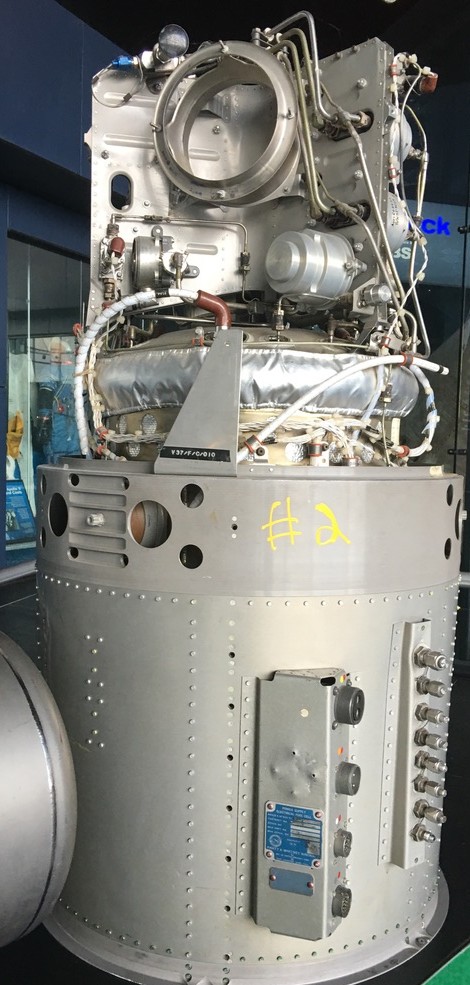
On the evening of April 13, 1970, almost 56 hours into the flight and about 205,000 miles from Earth, oxygen tank 2 in Apollo 13's service module exploded. The blast also damaged tank 1, which slowly leaked away. Those tanks fed the crew's breathing oxygen and the three fuel cells that powered the command module Odyssey, and two of the fuel cells died almost at once. Command module pilot Jack Swigert radioed, "Okay, Houston, we've had a problem here," and commander Jim Lovell repeated it moments later. The Moon landing was off. Lovell, Swigert and Fred Haise moved into the lunar module Aquarius, built to keep two people alive for about two days, and used it as a lifeboat for the trip around the Moon and home.
This is a milestone rather than a first, and it earns its place for what it showed and what it changed. Mission Control and the crew improvised everything from a free-return path around the Moon to a homemade adapter that let Odyssey's square carbon-dioxide filters work in Aquarius's round sockets. The crew splashed down safely in the Pacific on April 17. NASA's review board traced the blast to heater switches rated for 28 volts that had been hit with 65 volts during ground tests, damaging wiring inside the tank. Apollo 14 flew with a third oxygen tank, better switches and no stirring fans in the tanks.



Dig deeper
Questions to explore if you want to go further. Each search link opens the question in ChatGPT in a new window.
Sources
On the Bookshelf
Books that tell the story behind this entry will be suggested here. Publishers: send us a copy.
Spot an error? Tell us. Corrections are made in public.