
World first
First samples brought to Earth from another world
The claim: Apollo 11 returned about 21.5 kilograms of lunar rock and soil, the first material ever collected on another world and brought back to Earth
Verified

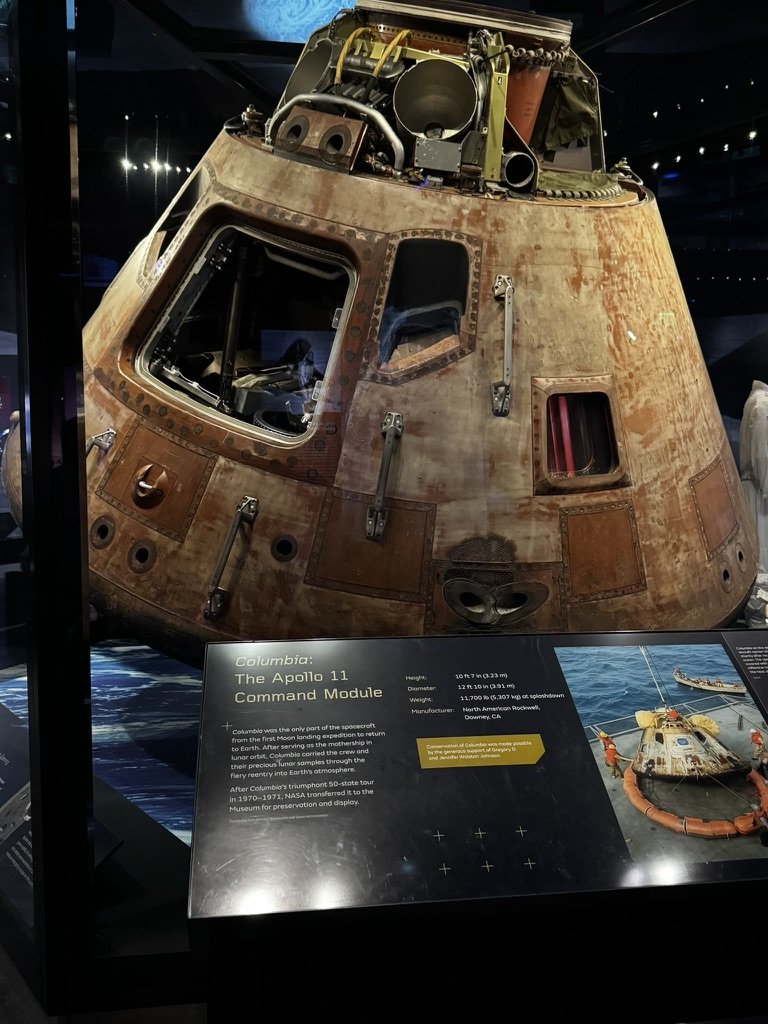
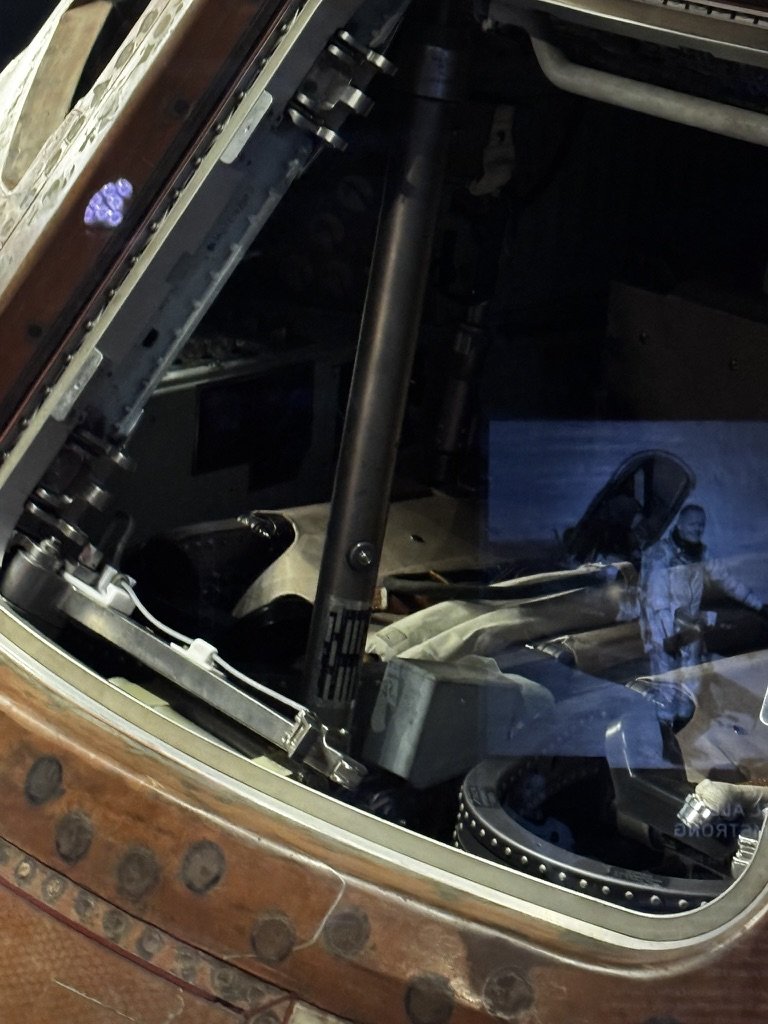
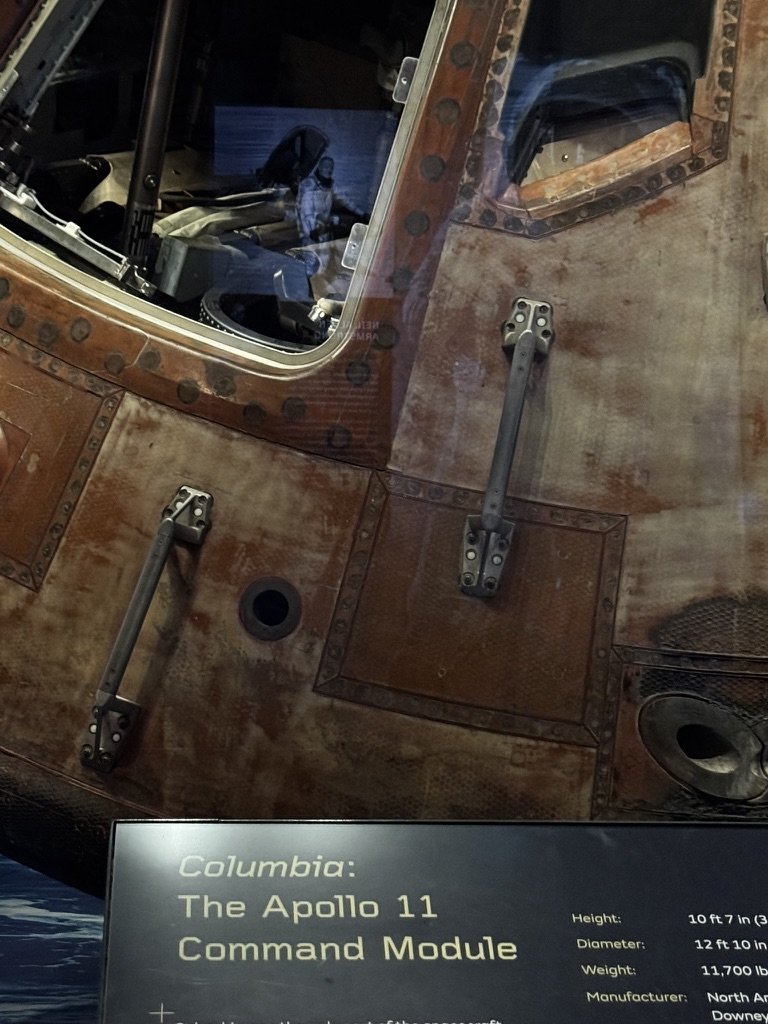
The rock and soil Armstrong and Aldrin gathered at Tranquility Base came home in sealed boxes aboard the command module Columbia, which splashed down in the Pacific on July 24, 1969. No person or machine had ever brought back material from another world before. The Soviet Union's robotic Luna 16 returned the first automated sample, 101 grams, 14 months later in September 1970.
The roughly 21.5 kilograms went to a quarantine laboratory in Houston, and scientists from around the world presented their first results in January 1970. The dark volcanic rocks of the Sea of Tranquility turned out to be about 3.6 billion years old, and together with later Apollo samples they helped show that the Moon formed about 4.5 billion years ago.
Dig deeper
Questions to explore if you want to go further. Each search link opens the question in ChatGPT in a new window.
Sources
On the Bookshelf
Books that tell the story behind this entry will be suggested here. Publishers: send us a copy.
Spot an error? Tell us. Corrections are made in public.